Drywall damage happens in every home. A doorknob hits a wall, furniture scrapes a corner, a ceiling crack opens, or a water stain appears after a leak. The right fix depends on what happened and whether the drywall is still sound.
If you already need help, start with Drywall Repair in Houston. If the damage is one item on a larger list, Nova also handles handyman and home repair services.
When to patch drywall
Patching makes sense for small holes, dents, screw pops, nail holes, and isolated impact damage. The key is that the surrounding drywall should be solid, dry, and stable. Texture and paint matching usually determine how visible the repair will be after the wall is finished.
When to replace drywall
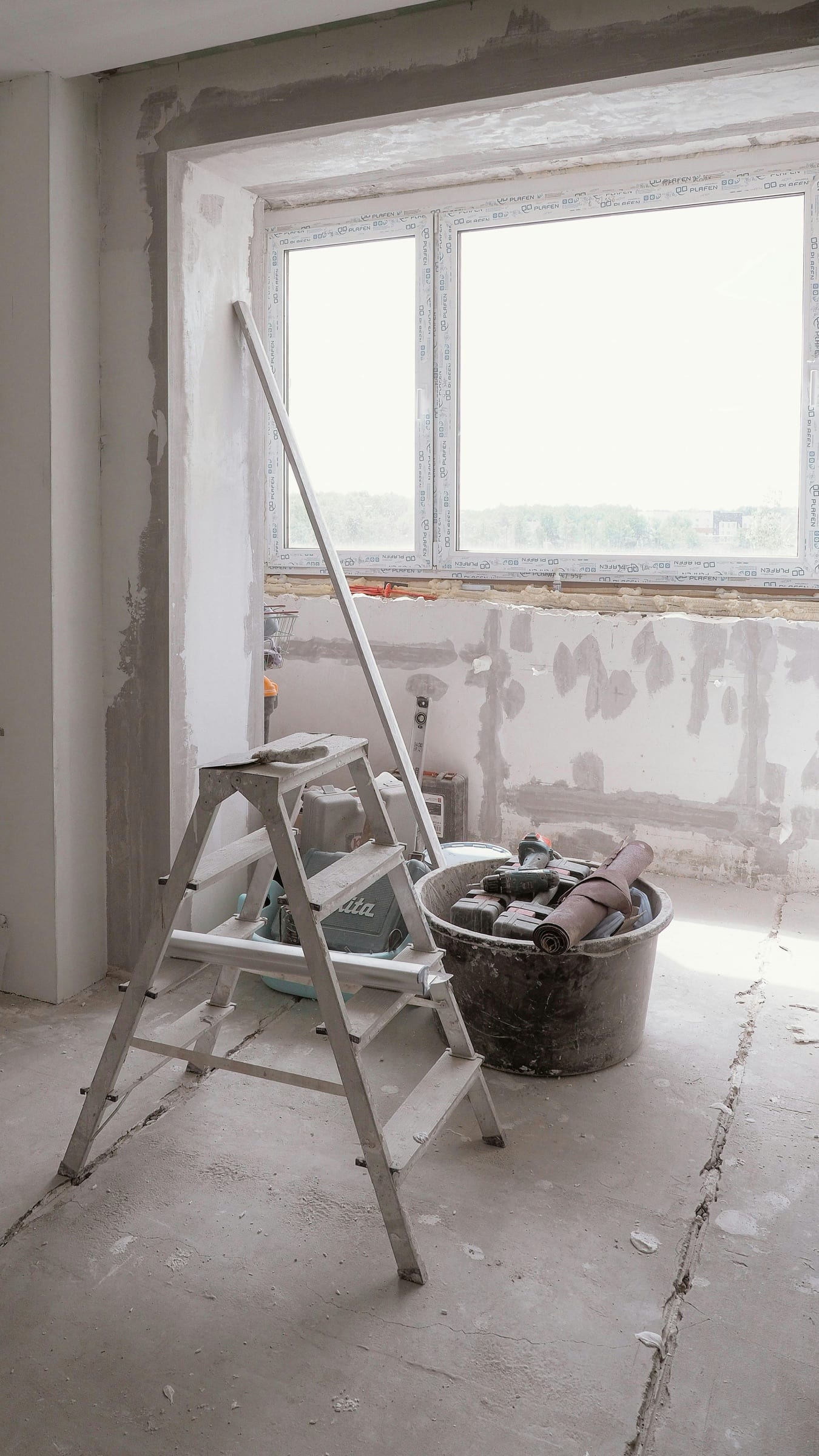
Replacement is usually the better choice when drywall is soft, crumbling, saturated, mold-contaminated, or damaged across a large section. A larger opening may also need new drywall fastened to studs or backing instead of trying to bridge the gap with compound.
Water damage deserves extra care. The moisture source should be resolved and the area should be dry before the wall is closed or refinished.
When repainting is enough
Sometimes the drywall itself is fine and the problem is cosmetic: scuffs, small surface marks, or staining that can be sealed with the right primer before paint. Other times, repainting is the final step after a patch has been completed and primed.
For high-visibility walls, repainting from corner to corner often blends better than a small spot touch-up in the middle of an aged wall.
How homeowners can help the estimate
Send a close-up of the damage, a wider photo showing the full wall or ceiling, and any information you know about what caused it. If the damage came from water, note whether the source has been repaired. For smaller punch-list items, the guide to small home repairs that can be done in one visit can help set expectations.
Send a few photos of the damaged area and Nova can help identify the likely repair path.
Contact NovaDrywall Repair Questions
When is a drywall patch enough?
A patch is usually enough for small holes, dents, screw pops, or isolated damage where the surrounding drywall is dry, solid, and not repeatedly cracking.
When should drywall be replaced?
Replacement is usually better when drywall is soft, crumbling, mold-contaminated, badly water damaged, or damaged across a larger section.
When does the whole wall need repainting?
Full-wall repainting often gives a cleaner result when the patch is in a prominent location, the paint is older, or the sheen does not blend with a spot touch-up.