Before
Large remodels often begin with a list: kitchen, bath, floors, paint, lighting, storage, exterior work. The real need is usually cohesion.

Connected rooms. A clear plan.
A whole-home renovation involves connected decisions across rooms and trades, often while daily life continues around the work. Planning the scope, sequence, and material choices together helps avoid treating each room as an unrelated project.
Before work begins, discuss which rooms are included, what needs to happen first, and how progress and changes will be communicated. Make sure the estimate distinguishes agreed work from items that depend on further investigation.

Whole-home and multi-room remodeling can become stressful when the work is fragmented: one trade waiting on another, selections made too late, budget decisions scattered across too many conversations.
Nova brings the scope into one clear process so the homeowner understands what is happening, why it matters, and what decisions need to be made before construction starts.
Large remodels often begin with a list: kitchen, bath, floors, paint, lighting, storage, exterior work. The real need is usually cohesion.
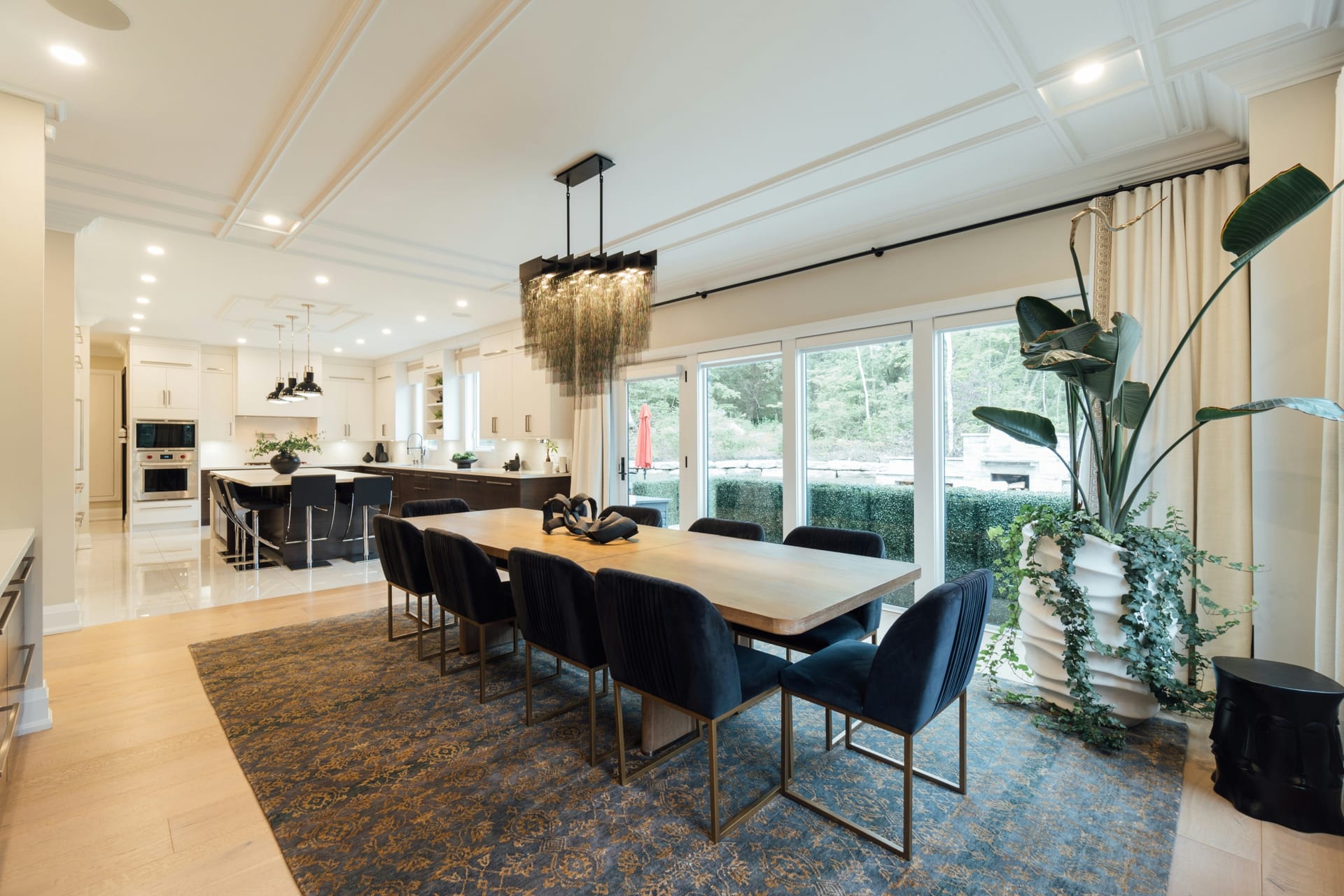
A successful renovation makes the home feel intentional from room to room, with materials, layouts, lighting, and craftsmanship working together instead of competing.
Not every remodeler thinks this way. These are the commitments that separate a careful project from a forgettable one.
Review the included rooms, materials, exclusions, and sequence before work begins. Proposed additions or changes should be reviewed with their price and schedule implications before approval.
Discuss who will be your point of contact and how to raise questions during construction. Clarify who handles decisions about selections, access, and changes to the scope.
Useful updates cover completed work, upcoming tasks, outstanding decisions, and any conditions that affect the plan. Agree on the format and frequency before construction starts.

Review existing conditions and coordinate the scope across rooms before demolition begins.

Sequence the agreed renovation work so related trades and material selections fit together.
Review the completed scope room by room and discuss remaining items and finish care.
In larger remodels, craft is not one dramatic moment. It is the repeated standard: aligned reveals, thoughtful transitions, durable finishes, and rooms that relate to each other.
We define what is included, what is adjacent, and what should wait so the project stays intentional.
Flooring, cabinetry, paint, hardware, tile, and lighting are selected with the whole home in mind.
Demo, rough-in, inspections, finishes, and punch work are ordered to reduce disruption and protect completed rooms.
Understand the home renovations scope, the decisions needed before work begins, and how to review changes and completion.
Identify the rooms involved, priorities, budget considerations, and whether areas of the home need to remain usable.
Confirm which parts of the home renovations project are included in the estimate, along with materials, exclusions, and any decisions still needed.
Discuss access, protection, and the order of work. Agree on how unexpected conditions and proposed changes will be reviewed before additional work proceeds.
Review the agreed home renovations scope together, identify any remaining items, and discuss care instructions for the selected materials.



A renovation in River Oaks has different constraints than a Katy family home or a Meyerland mid-century property. The work should respect the architecture, the approval path, and the way the homeowner lives.
Discuss any property restrictions, approvals, and material availability that affect the proposed scope.
Honest answers to the questions that come up in every first conversation about this type of work.
We use the first conversation to understand priorities, finish expectations, budget, and whether the project works best all at once or in a planned sequence. The goal is a clear scope before any cost is discussed.
Tell Nova the project location, what you would like to change, and any known issues. For a repair, photos of the affected area and the surrounding space can help explain the work you are considering.